 Navigating Life

Beyond Family Communication:
7 Creative Ways Human Services Agencies Are Using Navigating Life
Every post on Navigating Life is a moment shared with loved ones. Every photo, milestone, and daily update helps document care while keeping the people who matter most connected along the way.
And for the agencies behind those moments, Navigating Life is becoming something even larger.
Combining secure family communication, private social networking, digital documentation, and clinical support tools in one HIPAA-compliant platform, Navigating Life is designed specifically for human services organizations. And while family engagement remains a key benefit, agencies are finding creative new ways to use the platform across residential, day, clinical, and community-based services.
Here are seven ways providers are using Navigating Life today.
1. Secure Photo Documentation & Storage
Organizations often struggle to securely store and manage photos that document meaningful moments, activities, or program progress. Photos shared with supervisors or directors via text messages or personal devices create risks related to privacy, retention, and accessibility.
Navigating Life provides a centralized, HIPAA-compliant environment where photos can be securely uploaded, organized, and preserved, reducing the risk of content being lost or stored in non-compliant systems.
2. Digital Data Logging & Clinical Tracking
For organizations still relying on paper-based behavior and goal tracking or handwritten notes, Navigating Life offers a streamlined digital alternative.
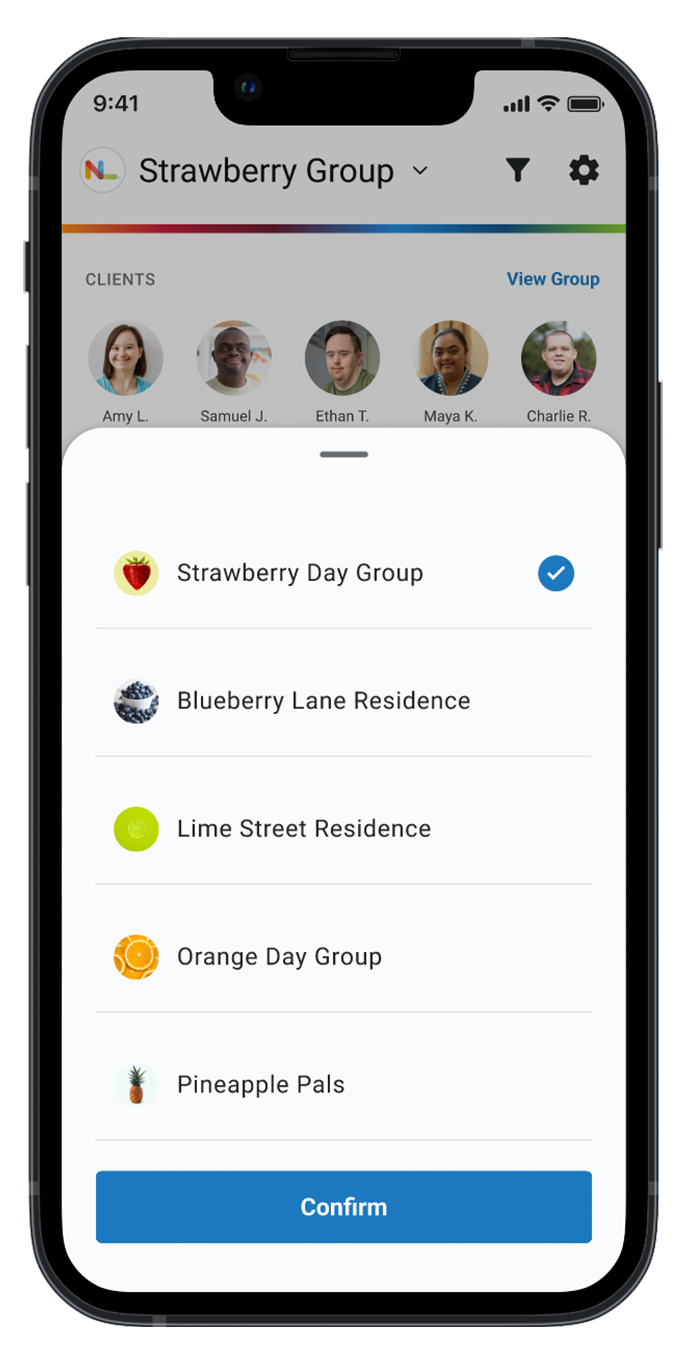
Staff can define and log custom target behaviors, capture timestamps, add notes, track goals and progress, and export data for clinical review, all from their mobile devices.
This allows staff to document information in real time while giving clinicians cleaner, more accessible data to review and analyze.
Clinicians can then export all the digitally collected information for further custom analysis and to import into another system. By leaving paper behind, agencies cannot only increase the accuracy of data collected, but reduce operational inefficiences of migrating paper based data into digital systems.
3. Quality Evaluations & Audit Readiness
Providers can use Navigating Life during state surveys, licensing reviews, and accreditation processes such as CARF evaluations.
Rather than relying entirely on binders and paperwork, agencies can use Navigating Life to demonstrate:
Date and time-stamped activities
Program participation and community engagement (including number of visits to the community at unique locations)
Progress toward goals
Visual documentation of services and supports
This gives evaluators a clearer understanding of what daily life and programming look like across services. It also helps ensure clear communication without relying on verbal or written methods. Plus, the app can generate automated activity reports for clients to support this process.
4. Staff Engagement & Organizational Culture
Organizations are also using Navigating Life to strengthen staff engagement and culture through:
Staff contests and recognition initiatives
Agency-wide scavenger hunts and retreat activities
Celebrations and milestone sharing
Cross-program collaboration
Because staff already use the platform to document and share daily moments, it creates a natural space for culture-building without adding another communication tool. Many agencies have even reported using this app as a change management moment to move away from a rigid “no phones” culture.
5. A Safer Social Space for People Supported
Traditional social media platforms often lack the privacy, supervision, and accessibility needed in human services environments.
Navigating Life offers a safer alternative where people receiving services can share accomplishments, post photos, celebrate milestones, and connect with peers, family, and friends. For people that may not want to or be able to post and use the technology as a poster, they can still be invited in to follow along with their own day, giving them the ability to feel included in the app’s use and revisit their moments at any time.
Rather than replacing public social media, the platform creates a more supportive and secure space for communication and self-expression. This has been tested in multiple agencies with further potential.
6. One-on-One Support Groups & Personalized Communication
Not everyone is supported in a group environment. Navigating Life allows organizations to create customized private groups based on individual needs, including:
One-person support groups
Individual family communication spaces
Specialized clinical groups
Small residential communication hubs
This flexibility helps make communication and sharing more personal, manageable, and supportive. We’ve seen this used to support respite or 1:1 supports, with potential to be leveraged in children’s programs where more private communication threads may be desired.
7. Cross-Program Visibility & Community Building
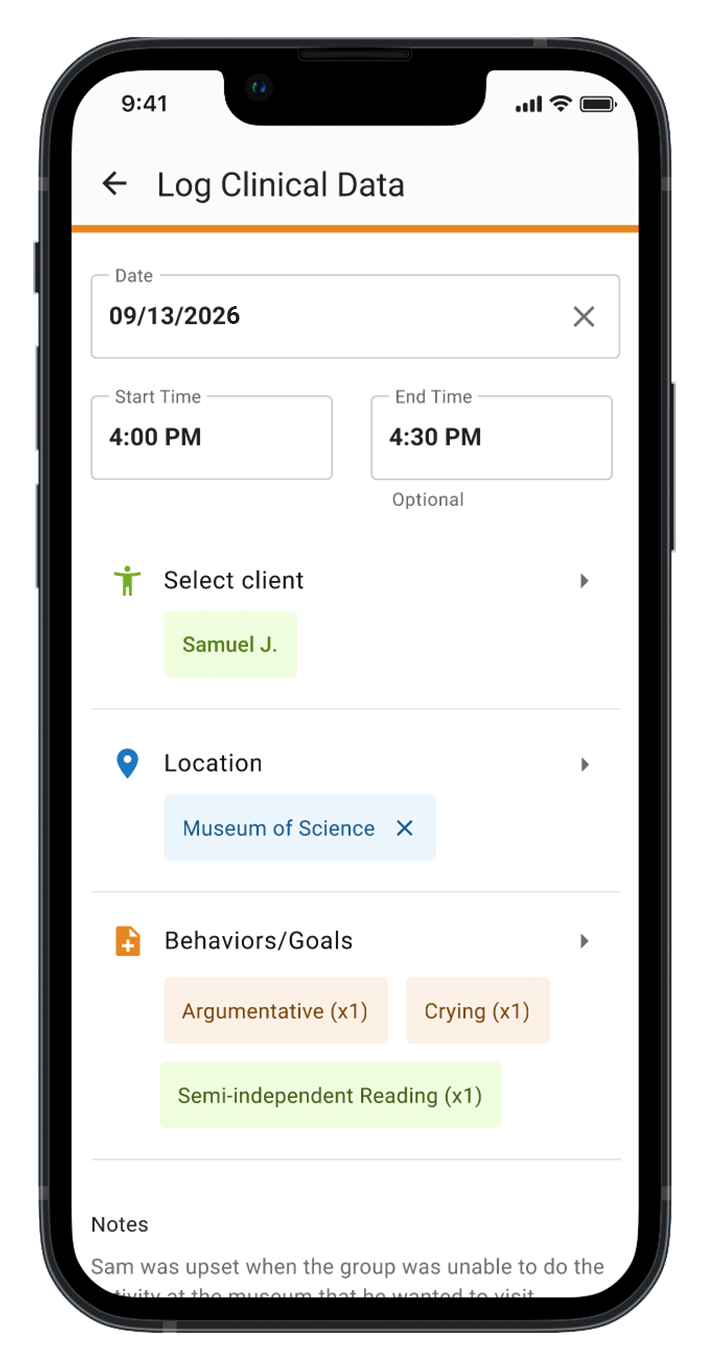
For organizations with multiple programs or locations, it can be challenging to stay connected and know what others are doing. Navigating Life helps bridge that gap by allowing staff to follow along with activities happening across their organization, even in programs they don’t directly support.
By giving additional staff “view-only” access, organizations can encourage teams to discover new ideas for community outings, celebrate one another’s activities, and even coordinate opportunities for people supported across programs to spend time together.
This added visibility helps break down silos, inspire collaboration, and create a stronger sense of community across the organization.
Looking Ahead
As providers shift toward more community-based, person-centered, and technology-supported services, Navigating Life continues to evolve beyond a family communication app.
We’re exploring new ways to help organizations turn the information they’re already capturing into meaningful, actionable insights. From demonstrating community involvement and skill development to generating audit- and report-ready documentation, our vision is to help providers build a more complete picture of the support they’re delivering, while reducing the time spent on manual reporting.
And as we continue collaborating with agencies, we’re discovering even more opportunities to make everyday documentation work harder for the people providing and receiving support.
Interested in exploring what’s possible for your organization? Get in touch with our team to start a conversation or schedule a demo.